

3D printing and rapid prototyping service for plastic parts
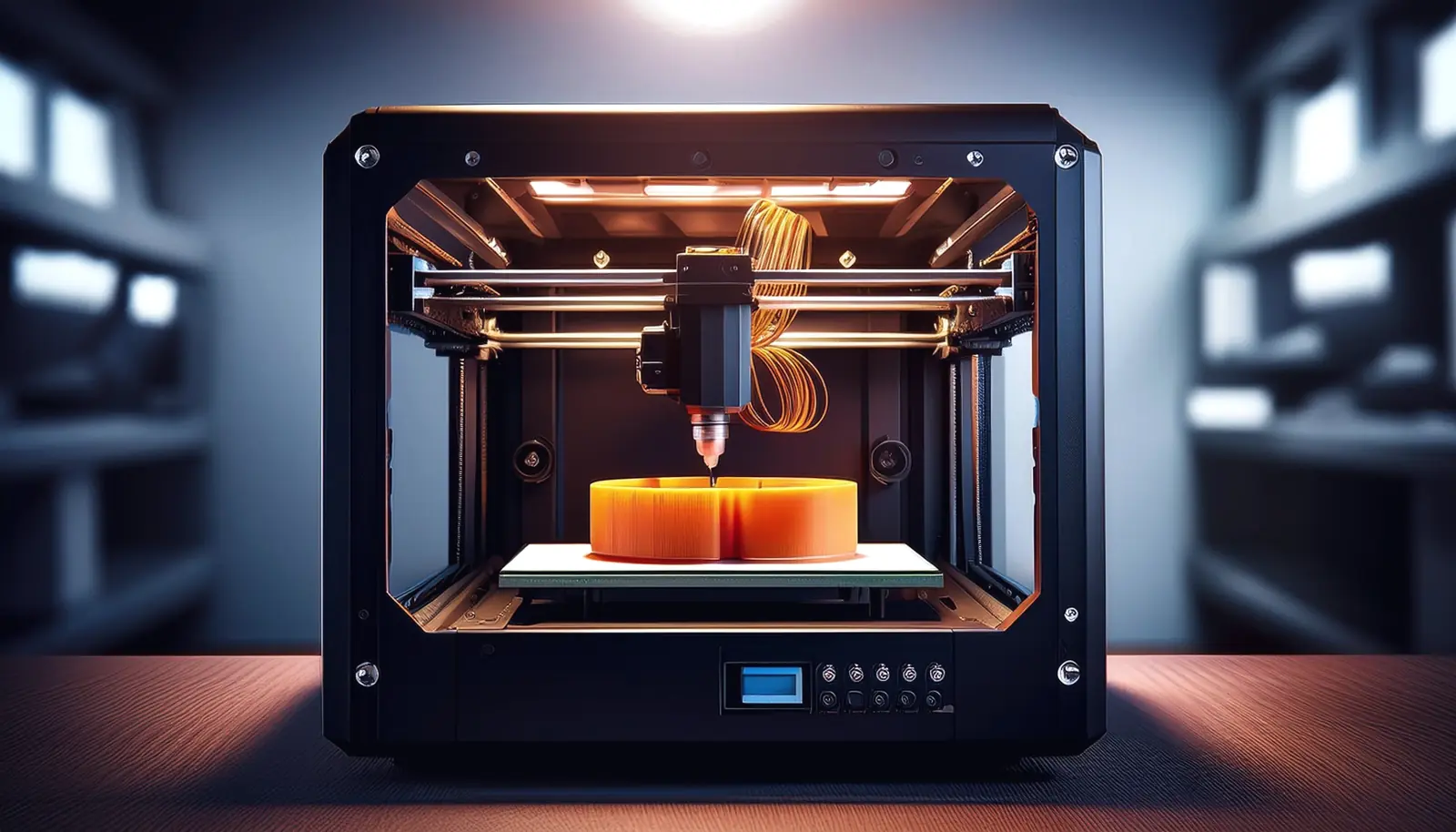
Bemar Plast, an injection molder since 1995 in San Giovanni Ilarione near Verona, Italy, offers 3D printing and rapid prototyping in FDM, SLA and MJF through a qualified service bureau in Italy, and remains your single point of contact for the whole project. A prototype lets you check the form, fit and function of a part before you invest in a mold, or covers small quantities and pre-series runs. When the design is ready, the same team takes it into injection molding in our own plant.
At a glance
- Technologies
- FDM, SLA and MJF
- Where
- in Italy, through a qualified service bureau
- Point of contact
- Bemar Plast, managing the project from prototype to production
- Quantities
- for prototypes and pre-series runs
- Typical use
- form, fit and function checks before the mold is built
- After the prototype
- injection molding in our own plant, from 1,000 parts (recommended)
- Molds
- designed in-house, built in Italy or China
- Languages
- Italian, English, German, French, Spanish
- Location
- San Giovanni Ilarione, Verona, Italy
- Since 1995
- Prototypes made in Italy
- FDM, SLA and MJF
- One point of contact from prototype to production
- 13 presses for series production
Why an Italian supplier
We mold every part in our own plant near Verona, Italy, and 3D-printed prototypes are made in Italy too. For European companies, that means a short, transparent supply chain with a single point of contact.
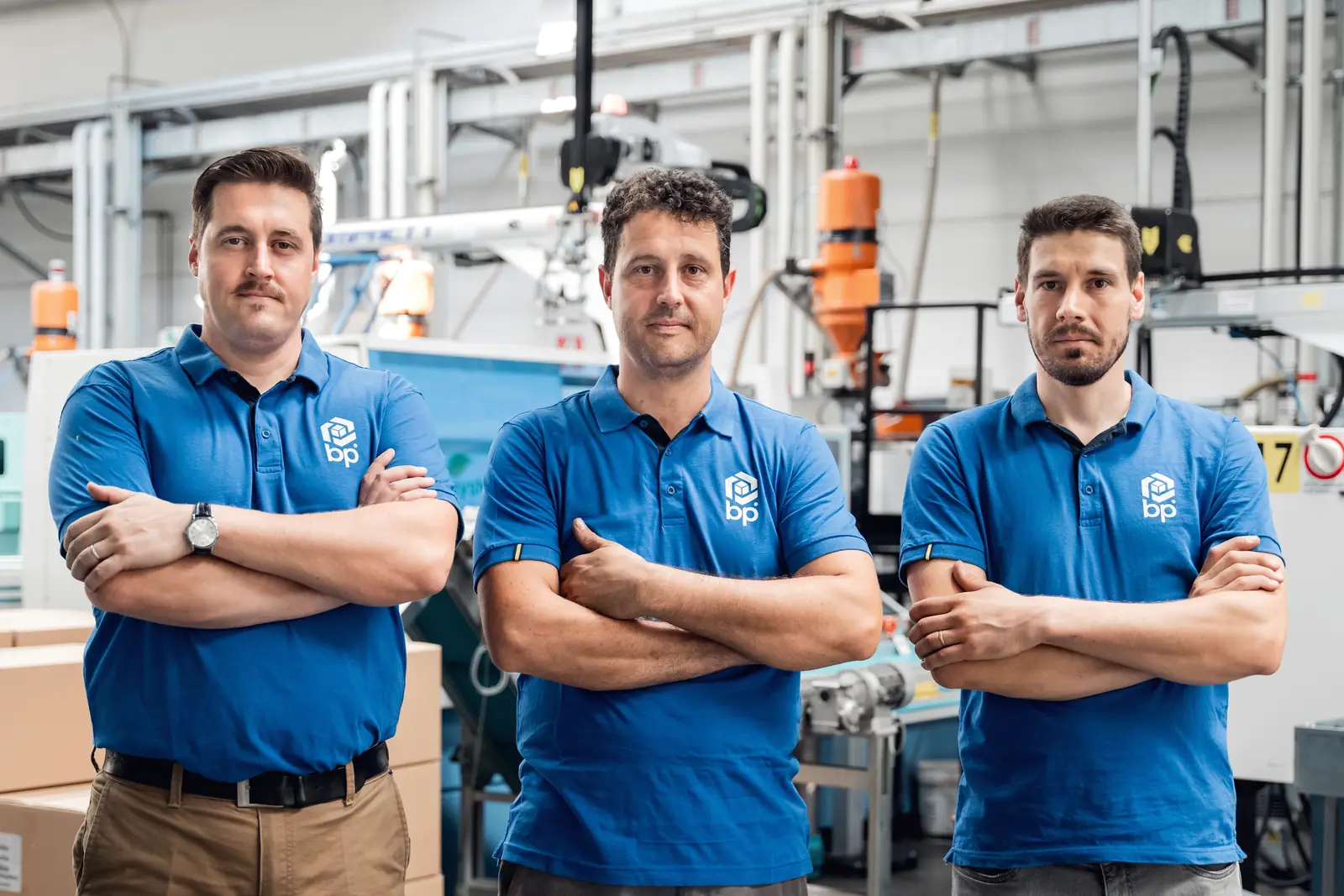
Parts molded and 3D printed in Italy
We mold every part in our plant in San Giovanni Ilarione, under an ISO 9001:2015 certified quality system, with documented dimensional inspection. 3D-printed prototypes are made in Italy too, by a qualified service bureau we coordinate.
A European supply chain
For customers in the European Union: no customs formalities, Central European Time (CET), single-market rules. Customers outside the EU (UK, Switzerland, US, Canada): standard export customs procedures apply.
Molds built in Italy or China, your choice
When the prototype is approved, we design the mold and, on request, prepare a dual quote, Italy and Asia, so you can compare cost and lead time. Every mold is built by qualified partners to our technical specification; design approval, tryout and maintenance stay with us.
One technical point of contact
You talk directly to the people who design and mold your part, from the first prototype to the finished component.
When 3D printing with us is the right choice
We are a good fit if
- you need to check the form, envelope and fit of a part before the mold is built
- you need a few parts or a pre-series run, below the 1,000-part batch we recommend for injection molding
- the part is headed for injection molding and you want one point of contact all the way to production
- you want technical feedback on moldability while the part is still a prototype
We are not the right choice if
- the prototype must have exactly the properties of the production material: in that case you need injection-molded parts
- you need a technology other than FDM, SLA or MJF
- you are only looking for the lowest price on a one-off item, with no design to take into production
From CAD file to production: how we work
The prototype is the first step toward production. That is why we handle it as part of the molding project, not as a stand-alone order.
Inquiry
You send us the 3D model of the part, the purpose of the prototype (appearance, fit or function), the quantities and, if you know it, the material planned for production.
Choosing the technology
We decide with you whether to use FDM, SLA or MJF, based on what the prototype has to prove, and explain the limits of each option.
Design for molding review
If the part is going into production, our engineering team can already suggest changes for molding: wall thickness, draft angles, undercuts, gate locations.
Printing in Italy
The prototype is made in Italy by the qualified service bureau we work with. We manage the job: your point of contact remains Bemar Plast.
Testing and changes
You test the prototype for form, fit and function. If a change is needed, the file is corrected and the part reprinted, with no mold to modify.
Mold and production
We design the mold, have it built by partners in Italy or China, your choice, and run series production in our own plant.
What a 3D-printed prototype is for
A prototype costs little compared with a mold modification. It helps you find mistakes while they are still easy to fix.
Form and appearance check
See and handle the part at full scale: proportions, envelope, cosmetic surfaces.
Fit check
Check mating features, snap fits and interference with the other components in the assembly.
Functional test
Test a mechanism or a snap fit, within the limits of the 3D printing material.
Pre-series and small quantities
A few parts for samples, presentations or field tests, before you invest in a mold.
From prototype to production with one point of contact
The people who handle your prototype are the same team that will design the mold and mold the part. Information does not get lost between different suppliers.
One project lead
We coordinate the 3D printing service bureau: one contact, one quote, one party responsible.
Co-design from the prototype stage
Our engineering team looks at the part with molding in mind, so the prototype you approve is already close to the production part.
Mold designed in-house
Designed by our engineering team, built by partners in Italy or China, your choice, with a dual quote on request.
Production in our plant
13 presses from 10 to 480 t, from 1,000 parts (recommended) up to 1 million parts a year per part number.
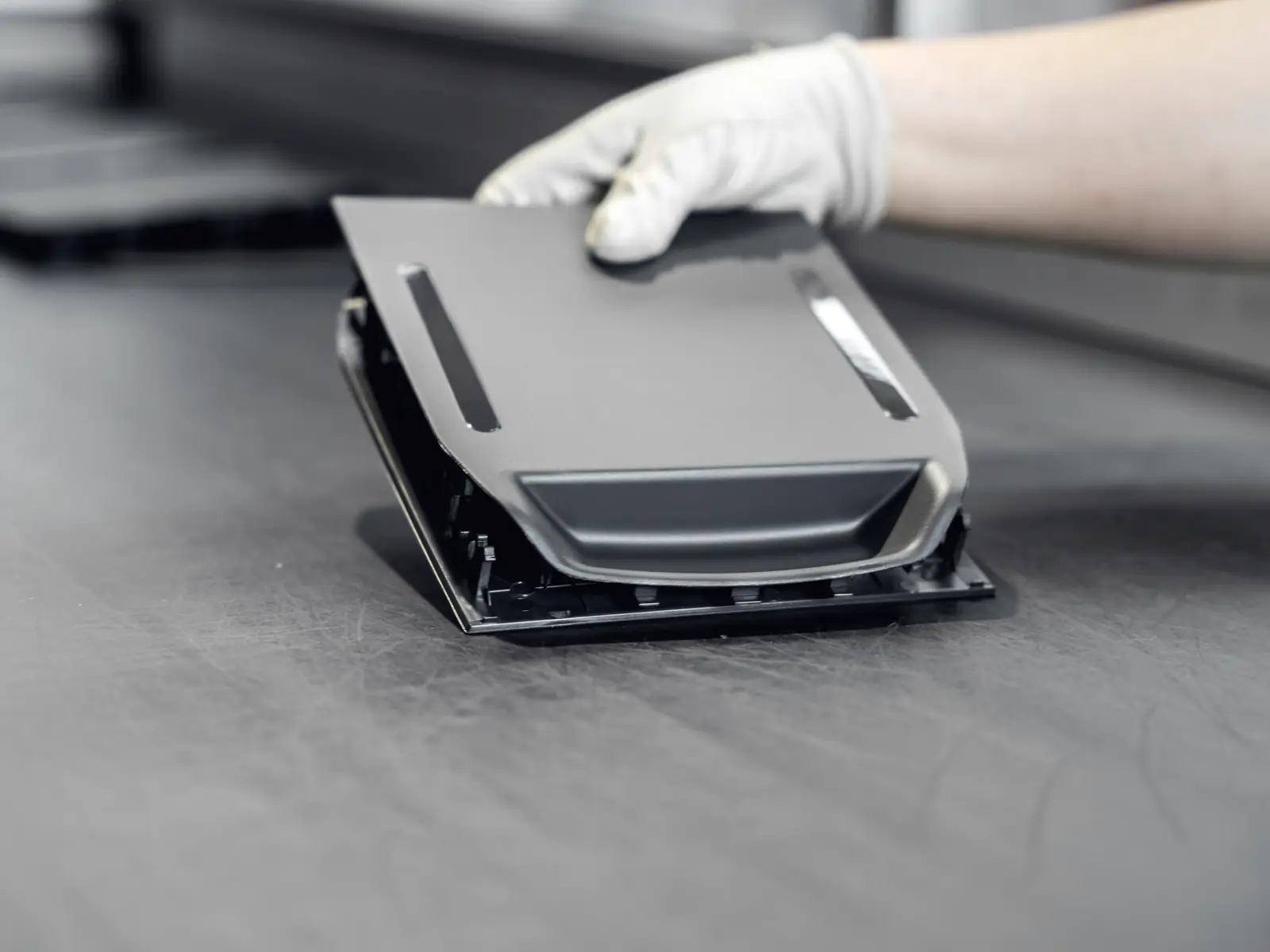
3D printing technologies: FDM, SLA and MJF
We offer three technologies; parts are printed in Italy by a qualified service bureau. The descriptions are indicative: the actual properties of a part depend on material, geometry and build orientation.
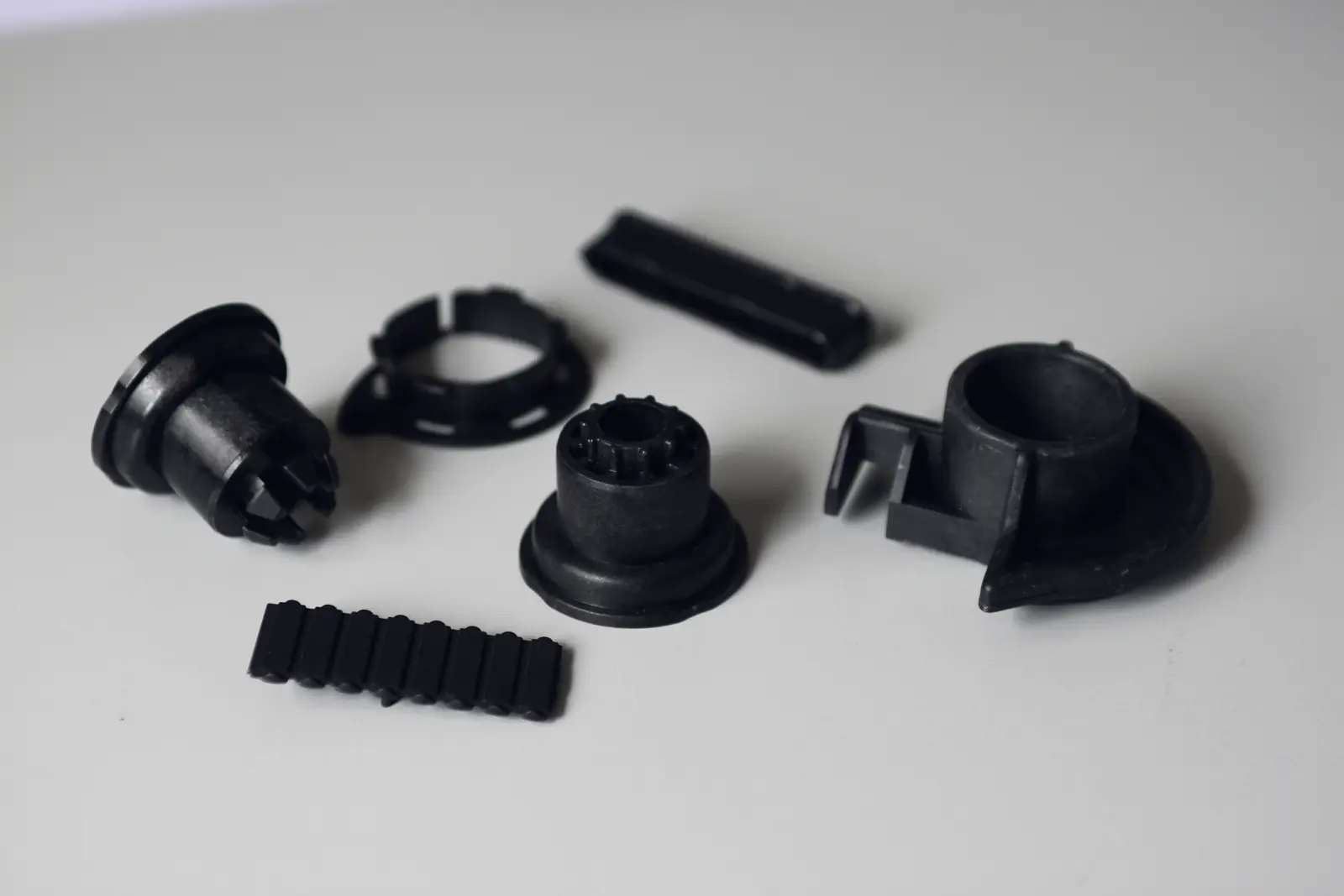
MJF (Multi Jet Fusion)
A powder bed fusion process: a fusing agent and a heat source solidify the powder layer by layer, with no support structures. It typically uses PA12 (nylon 12) and produces strong parts with a slightly grainy surface, suited to functional prototypes, snap fits and small pre-series runs.
SLA (stereolithography)
A laser cures a photosensitive resin layer by layer. It gives smooth surfaces and fine detail, suited to appearance models and form checks; resins are generally more brittle than production thermoplastics.
FDM (fused deposition modeling)
A thermoplastic filament is melted and deposited through a nozzle. It is usually the simplest option for envelope checks and early models; layer lines remain visible and strength depends on the build direction.
3D-printed pre-series
Small quantities of parts for samples and testing, when volumes do not yet justify a mold.
Design for molding review
From the prototype stage, our engineering team can suggest changes that make the part suitable for injection molding.
3D printing or injection molding?
It depends mainly on volume. The two technologies work together: 3D printing validates the part, injection molding produces it at volume.
| Criterion | 3D printing | Injection molding |
|---|---|---|
| Quantity | for prototypes and small quantities | from 1,000 parts (recommended), up to 1 million a year per part number |
| Upfront investment | no mold | the mold, amortized over the volume |
| Cost per part | stays similar as volume rises | falls as volume rises |
| Design changes | correct the file and reprint | require a mold modification |
| Material | polymers for FDM, SLA and MJF, similar to but not the same as production grades | the production material: engineering and commodity polymers |
| Typical use | form and fit checks, pre-series | series production |
Not sure which is right for you? We assess your part and tell you. Request a quote
Have a 3D model? Send it to us and we will tell you which technology to print it with and what to change for the mold.
Request a quoteFrequently asked questions
Answers to the questions buyers and engineering teams ask us most often about 3D printing.
Which 3D printing technologies do you offer?
Our 3D printing prototyping service covers FDM, SLA and MJF, produced in Italy by a qualified external service bureau, with Bemar Plast managing the whole job. We choose the technology with you, based on what the prototype has to prove.
Do you print the prototypes yourselves or use an outside supplier?
Prototypes are made by a qualified external service bureau in Italy, which we coordinate. Your point of contact remains Bemar Plast: one quote and one contact from prototype to production, which we then injection mold in our own plant.
When should I choose 3D printing, and when injection molding?
3D printing makes sense for prototypes and small quantities, injection molding from around 1,000 parts upward. With 3D printing there is no mold to pay for, but the cost per part stays similar as quantities rise; with injection molding the mold investment is spread over the volume and the cost per part falls.
Which technology should I choose: FDM, SLA or MJF?
It depends on what the prototype needs to verify. In general, FDM suits envelope checks and early models, SLA suits appearance models with smooth surfaces and fine detail, and MJF suits functional prototypes and small pre-series runs in nylon (PA12). For each part we recommend the most suitable option.
Does a 3D-printed prototype have the same properties as the molded part?
No. A 3D-printed prototype reproduces the shape and dimensions of the part, but not the properties of the injection-molded engineering polymer. It is fine for form, fit and function checks; mechanical, thermal or approval testing on the final material requires molded parts.
Can I use 3D printing for a pre-series or bridge run?
Yes, for small quantities below the 1,000-part batch we recommend for injection molding. A 3D-printed pre-series is useful for samples, presentations or field tests before you invest in a mold.
How many parts can I order?
You can start from a single part. For higher quantities, we assess with you whether 3D printing still makes sense or whether it is time to build the mold.
Which materials are used in 3D printing?
It depends on the technology: in general, FDM uses thermoplastic filaments, SLA uses photosensitive resins and MJF typically uses nylon (PA12). We agree on the material for each request, based on the purpose of the prototype.
How much does a 3D-printed prototype cost?
The price depends on the technology, the size and volume of the part, the quantity and the finish required, so we quote it from your 3D file. There is no mold to amortize, so 3D printing makes sense even for a single part or a few parts.
How quickly will I receive the prototypes?
We state the lead time in the quote for each request, because it depends on the technology, the part size and the number of parts. If you have a deadline, tell us when you send your request.
Can you suggest design changes for injection molding?
Yes: our engineering team can suggest design-for-molding changes from the prototype stage. Wall thickness, draft angles, undercuts and gate locations are corrected in the file before the mold is built, when changes cost less.
Can you take my part from prototype to production?
Yes. After the prototype, we design the mold in-house and have it built by partners in Italy or China, your choice, with a dual quote on request. Series production runs in our own plant in San Giovanni Ilarione, on 13 presses from 10 to 480 t.
Where are prototypes and production parts made?
Prototypes and production parts are both made in Italy. Prototypes are 3D printed by a qualified service bureau in Italy, coordinated by Bemar Plast, and series production takes place in our own plant near Verona. Molds are built by partner toolmakers in Italy or China, your choice, to our technical specification.
What do you need to prepare a quote?
We need the 3D model of the part, the purpose of the prototype (appearance, fit or function) and the quantity. If the part is going into production, also tell us the planned material and annual volumes: they help us recommend the right technology and design changes.
Do you sign NDAs?
Yes. We sign non-disclosure agreements whenever the customer requests one; our legal team reviews each agreement before signing.
Which languages do you speak?
Italian, English, German, French and Spanish. Our technical staff work in Italian and English; our sales team supports customers in all five languages.
Send us your drawing, and we will tell you how to mold it
We reply with a technical assessment and a quote. To prepare them, we need three pieces of information about your component.
-
The part
The 2D drawing or 3D model of the component.
- STEP
- IGES
-
Material and annual volume
The required material, or the part's operating conditions if the material has yet to be chosen. Then the approximate annual volume.
-
Cosmetic requirements and tolerances
Visible surfaces, color and finish, and the critical tolerances to be met.
If you do not have all the data yet, write to us anyway: we will define it together.
- Phone
- +39 045 6550855
- [email protected]
- Hours
- Monday–Friday, 8 a.m.–6 p.m. Italian time (2 a.m.–noon ET)
Page maintained by the Bemar Plast Team. Last updated: November 17, 2026.