

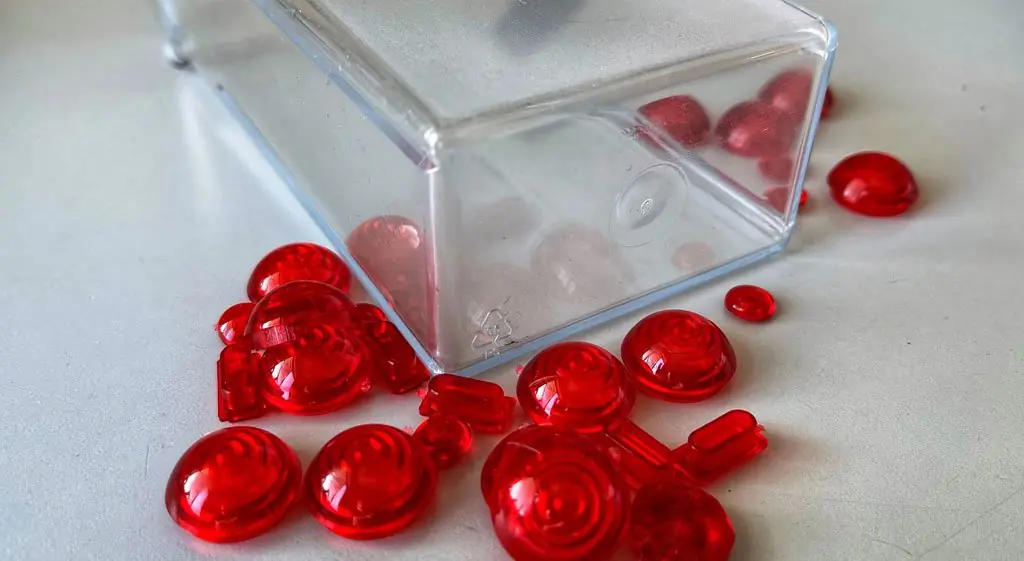
Polystyrene (PS) is an amorphous thermoplastic from the styrenic family: stiff, lightweight, low-cost and easy to mold, with low shrinkage and good dimensional stability. General purpose polystyrene (GPPS) is crystal clear, while high impact polystyrene (HIPS) is tougher but opaque. It is used for packaging, disposables, labware, cases and refrigerator interior parts, where high heat, UV or solvent resistance is not required.
What is polystyrene (PS)?
Polystyrene is an aromatic, amorphous thermoplastic polymer from the styrenic resin family. PS is one of the oldest thermoplastic materials on the market: it was first isolated in 1839, and industrial production began in the early 1930s. Its density is about 1.05 g/cm³. As an amorphous polymer, it has no sharp melting point: it softens above its glass transition temperature, around 100 °C (212 °F), and is processed in the melt at higher temperatures that depend on the grade and on the resin supplier's recommendations. This guide covers the main properties of polystyrene and what to consider when injection molding it.
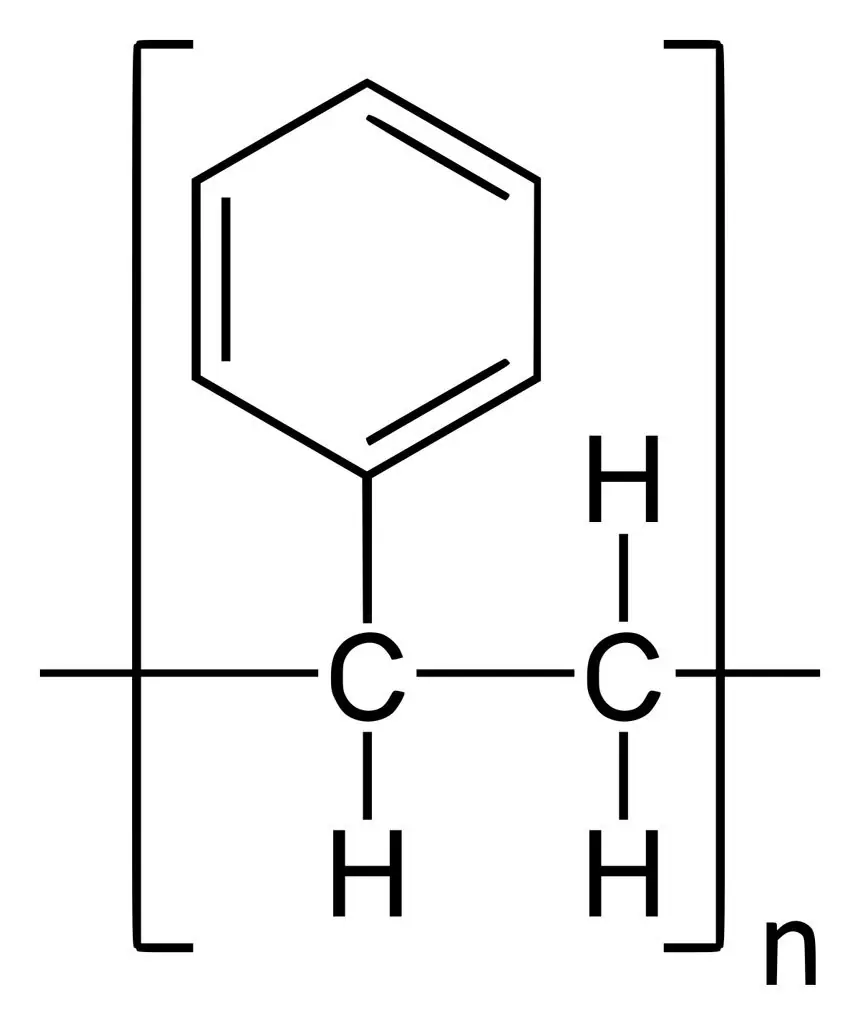
Polystyrene properties: advantages
- Good stiffness and adequate mechanical properties for moderate loads.
- Low molding shrinkage, which gives parts good dimensional stability.
- Easy to process: it flows well in the mold and can fill complex geometries.
- A good electrical insulator with low dielectric losses.
- Low thermal conductivity, which makes it an effective thermal insulator.
- Lightweight and low-cost.
- Resistant to water, alkaline solutions, many dilute acids, lower alcohols and aqueous solutions in general; not resistant to oxidizing acids.
- Very low moisture absorption: drying before molding is usually not required.
- Easy to color, in transparent or opaque shades.
- Unfilled, unmodified crystal grades offer high clarity and a glossy surface finish.
Polystyrene properties: limitations
- Crystal PS is brittle, with low impact strength, especially in thin walls.
- Prone to environmental stress cracking (ESC), especially in contact with oils, fats or solvents.
- Without stabilizers, UV resistance is poor: the material yellows and becomes more brittle.
- Not resistant to organic solvents, gasoline, ketones (such as acetone), aromatic and chlorinated hydrocarbons, ethers and essential oils.
- Low scratch and abrasion resistance.
- Not suitable for outdoor use without specific additives, because of its UV sensitivity and tendency to crack.
- Limited heat resistance: service temperatures must stay below the glass transition.
- Not biodegradable.
GPPS, HIPS and EPS
The PS designation covers three product families with different uses:
- General purpose polystyrene (GPPS), also called crystal PS: the neat polymer, clear, stiff and brittle. Used for cases, displays, labware and parts where clarity matters.
- High impact polystyrene (HIPS): a polystyrene matrix with a dispersed rubber phase (polybutadiene) that increases impact strength at the expense of clarity. It is opaque and widely used for refrigerator liners and trays, housings and packaging.
- Expanded polystyrene (EPS): the foam used in protective packaging and insulation boards, made by expanding beads with a blowing agent. It is not processed by conventional injection molding.
Processing methods
Polystyrene is typically processed by:
- injection molding, the main process for solid PS
- extrusion of sheet, film and profiles
- thermoforming of extruded sheet, for example for trays and containers
- expansion, for expanded polystyrene (EPS).
In injection molding, PS is an easy material to run, but a few points make a difference:
- low, predictable shrinkage, typically 0.4 to 0.7 %, which helps hold tolerances
- drying is usually not needed, unless the resin is damp or contains regrind
- molded-in stress should be kept low with generous radii, uniform wall thickness and proper process settings, because it increases the risk of stress cracking
- ejection needs sufficient draft angles, since crystal PS is stiff and brittle
- for clear parts, mold surface finish and material cleanliness directly affect appearance.
Applications
Polystyrene, both neat and in high impact grades and blends, is used across many industries:
- housewares: cases and stationery (such as rulers and protractors)
- electronics: housings and internal parts
- furniture
- building and construction, mainly as foam for insulation
- appliances: refrigerator door liners, crisper trays and interior parts
- food service: plates, cutlery, cups and containers, using food-contact grades
- packaging
- laboratory and medical: Petri dishes, test tubes, disposable containers and instruments
- cosmetics: containers, combs, razors
- pet products: water bowls and small accessories.
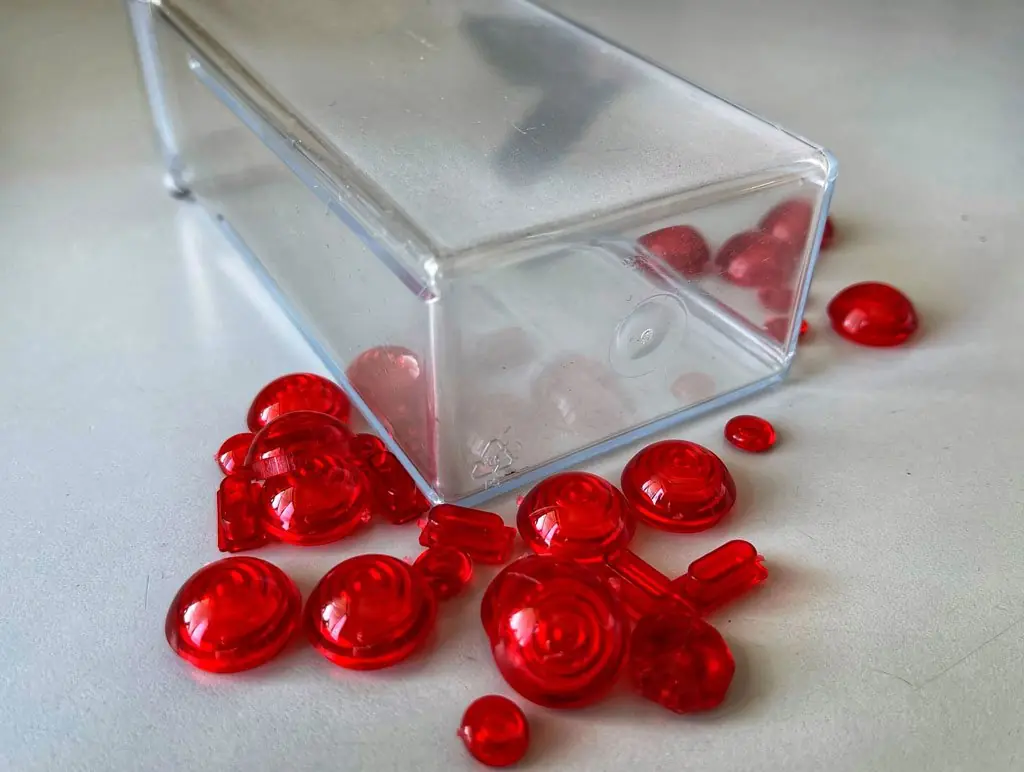
Polystyrene injection molding at Bemar Plast
PS is one of the materials we injection mold in our plant in San Giovanni Ilarione, near Verona, Italy, on 13 molding lines with clamping forces from 10 to 480 tons and a maximum shot weight of 1,787 g in PS. We work with customer-owned molds or with new molds designed in-house and built by partner toolmakers in Italy or China, at the customer's choice. To evaluate a part, see our plastic injection molding service: with your drawing, volumes and service requirements, we help you choose between GPPS, HIPS or a different material such as ABS, PMMA or PP.
Conclusions
Polystyrene suits many industries and applications, especially when stiffness, dimensional stability and clarity are needed at low cost. It is one of the most economical and versatile commodity plastics available; its main limitations are the brittleness of crystal grades and poor resistance to heat, UV and solvents.
On health aspects, the International Agency for Research on Cancer (IARC) classifies styrene, the starting monomer, as probably carcinogenic to humans (Group 2A), based mainly on occupational inhalation exposure. The classification concerns the monomer, not the finished polymer. Parts intended for food contact use suitable grades, supplied with the resin manufacturer's declaration of compliance with the applicable rules, for example Regulation (EU) No 10/2011 in the EU or FDA regulations in the United States.
Frequently asked questions
What is the difference between GPPS and HIPS?
GPPS (general purpose polystyrene) is clear, stiff and brittle, while HIPS (high impact polystyrene) contains a dispersed rubber phase that greatly improves impact strength but makes it opaque. The choice depends on whether clarity or impact resistance matters more for the part.
Does polystyrene need drying before injection molding?
Usually not, because PS absorbs very little moisture. A short drying cycle is useful when the resin has been stored in humid conditions, contains regrind, or when the supplier's datasheet calls for it.
Is polystyrene the same as Styrofoam?
No: Styrofoam is a trademark for a foamed polystyrene product, while solid polystyrene is a rigid, dense thermoplastic. Foamed polystyrene (EPS and XPS) is used for protective packaging and insulation; this guide covers solid PS for injection molding, extrusion and thermoforming.
When should I choose PS over ABS or PMMA?
PS is the right choice when you need stiffness, dimensional stability and low cost without high mechanical, thermal or chemical loads. ABS offers better impact and heat resistance; PMMA offers better clarity and UV resistance.
Can polystyrene be used outdoors?
Not without stabilization: UV exposure turns PS yellow and makes it more brittle over time. For parts exposed to sunlight, consider UV-stabilized grades or a different material.
Does Bemar Plast mold polystyrene parts?
Yes, PS is one of the materials we injection mold in our plant in San Giovanni Ilarione, near Verona, Italy, on presses from 10 to 480 tons. See our plastic injection molding service and send us your drawing, annual volume and requirements.