

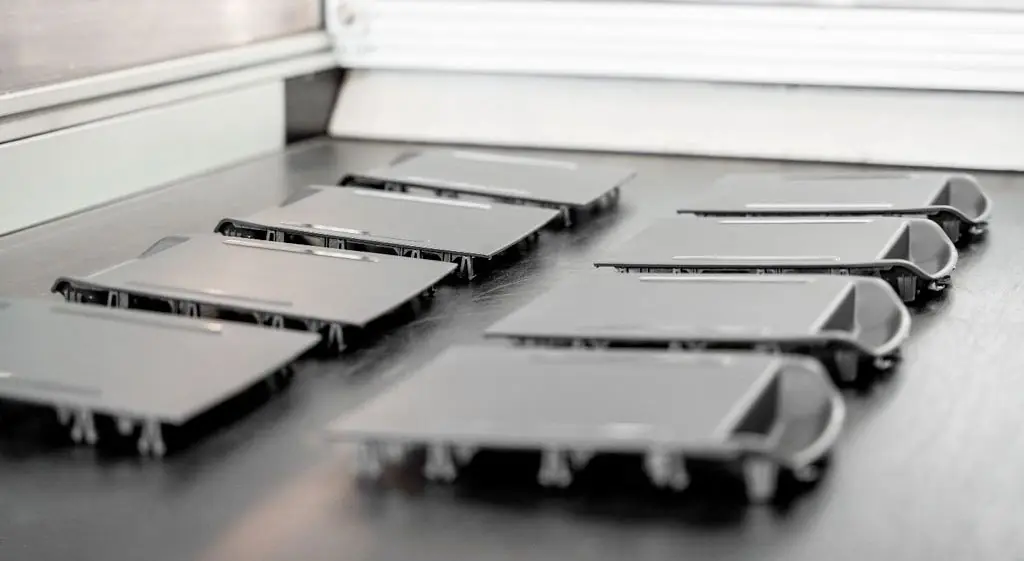
Injection molding is changing the plastics industry on three fronts: higher-performance materials such as filled engineering plastics and bioplastics, automated processes monitored in real time, and a lower environmental impact thanks to scrap recovery and energy-efficient presses. The result is lighter, more precise components produced in volume at a lower unit cost.
Injection molding is one of the most versatile technologies for making plastic parts, and it has accelerated innovation and product quality across many industries. In this article we look at how it is transforming the sector, from innovative applications to its ability to meet sustainability requirements.
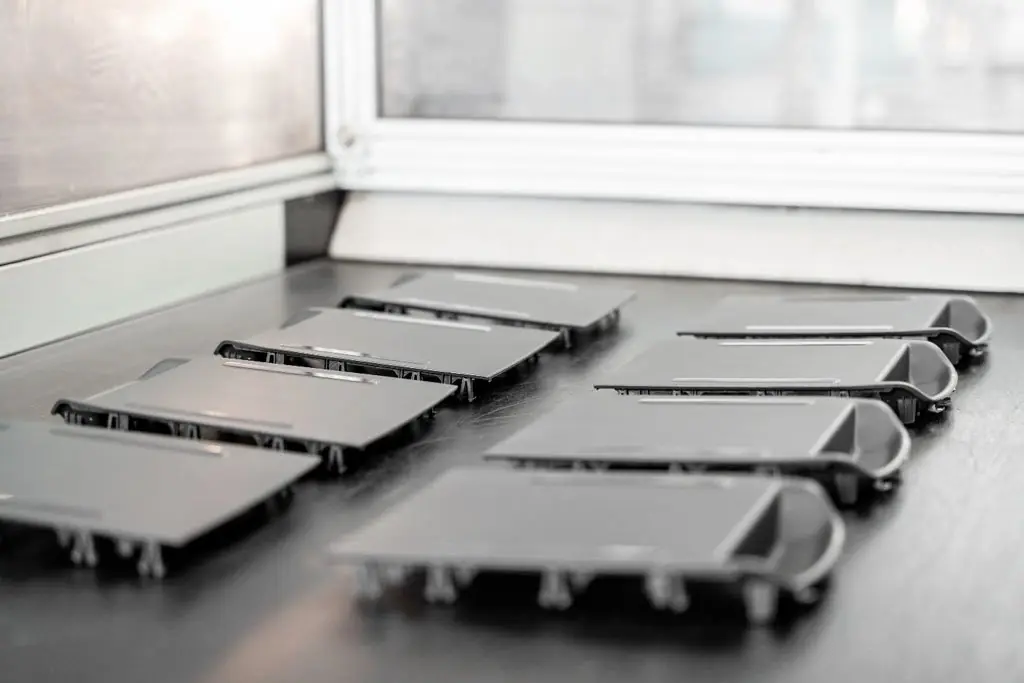
What is injection molding?
Injection molding is a manufacturing process for plastic components: the thermoplastic material is melted, injected under pressure into a closed mold and, once it has cooled and solidified, the part is ejected ready for use. The process is valued for its ability to produce high-precision components in large volumes with very short cycle times.
Main advantages of injection molding
- Precision: complex details can be molded to tight, repeatable tolerances.
- Efficiency: it is ideal for series production because it lowers the unit cost.
- Flexibility: it works with a wide range of thermoplastics, from commodity polymers to engineering plastics.
- Sustainability: production scrap such as sprues and runners can be reground, and recycled or eco-friendly materials can be used where the customer's specification allows.
- Customization: modern mold textures deliver carefully finished, attractive surfaces.
Technological innovations in injection molding
In recent years injection molding has seen a series of technological advances that have widened its range of applications. Here are some of the most significant.
1. Advanced materials
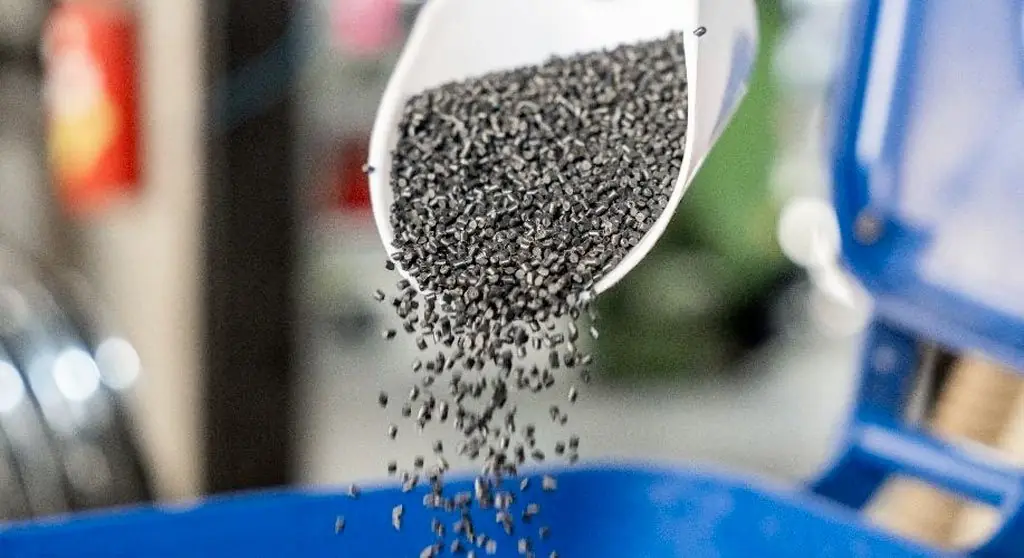
New engineering plastics and bioplastics make it possible to produce stronger, lighter and more sustainable components. Materials reinforced with glass or carbon fiber, such as glass-filled polyamides, are used in industries like automotive and aerospace for their strength-to-weight ratio.
2. Automation and Industry 4.0
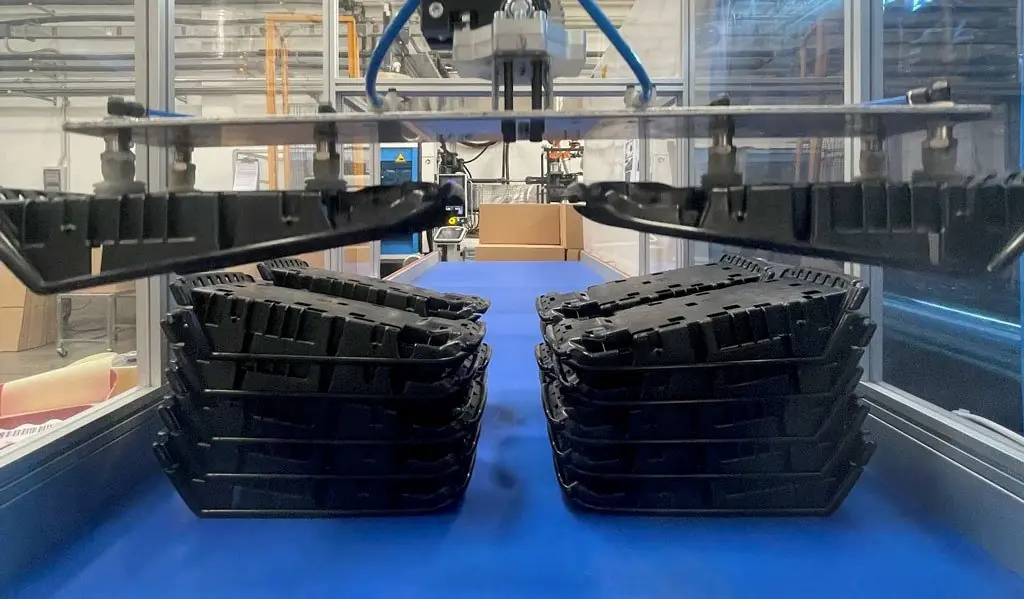
Injection molding machines are increasingly integrated with advanced control systems, robots and, in some cases, artificial intelligence algorithms. This allows production parameters to be monitored in real time, reducing scrap and improving efficiency.
3. Micro injection molding
This technique produces extremely small components, essential in fields such as microelectronics, medical devices and precision mechanics.
4. Mass customization
Interchangeable mold inserts, masterbatches and additives dosed during compounding or directly at the press make it possible to vary colors, finishes and product versions while keeping the repeatability and cost advantages of series production. Additive manufacturing, such as 3D printing, completes the picture at the prototyping stage, before the mold investment is made.
Innovative applications
Injection molding is used across a wide range of industries and helps create ever higher-performing, more innovative products.
Automotive
Light, strong components are made from advanced materials, reducing overall vehicle weight and improving energy efficiency. High-aesthetic parts can also be molded without painting, which significantly cuts costs and solvent emissions.
Medical
Medical devices such as syringes, prosthetic components and disposable surgical instruments are produced with very high precision thanks to this technology.
Consumer electronics
Injection molding is essential for housings, connectors and internal components of devices such as smartphones and computers.
Packaging
In packaging, injection molding produces light, durable and highly customizable containers, often in recyclable materials such as polypropylene. As new environmental challenges emerge, the sector is also moving toward biodegradable materials and rethinking production processes to reduce its environmental impact.
Injection molding and sustainability
Sustainability is one of the most important topics in the plastics industry, and injection molding plays a key role in this transition.
Waste reduction
Automation and precise parameter control keep material scrap to a minimum during production. Sprues and runners can be reground and reused: in our plant all 13 molding lines have a press-side granulator.
Use of recycled materials
Many companies are introducing recycled polymers into the molding process, reducing their dependence on virgin raw materials.
Bioplastics and biodegradable materials
The use of bioplastics is growing, with solutions that combine good performance and a lower environmental impact, especially in single-use plastics such as food packaging.
Energy efficiency
Modern presses are designed to use less energy and help reduce the carbon footprint of the whole production process. In our plant 11 of 13 presses are equipped with a Hybrid Energy System (HES), with measured energy savings of 30-75% compared with a conventional setup, and the electricity we use comes 100% from renewable sources, certified by Guarantees of Origin.
Challenges and future outlook
Despite its many advantages, the injection molding industry faces some challenges:
- High upfront costs: molds and equipment can require a significant investment, which is why mold design should be planned from the start around the part's volumes and requirements.
- Material recycling: although it is growing, recycling thermoplastics still involves technical and logistical difficulties.
- Environmental regulations: the industry has to adapt to increasingly strict sustainability rules.
Despite these challenges, the outlook for injection molding remains very positive. As technologies evolve and sustainable practices spread, this process will keep transforming the plastics industry toward more efficient manufacturing with a lower environmental impact.
Count on our experience
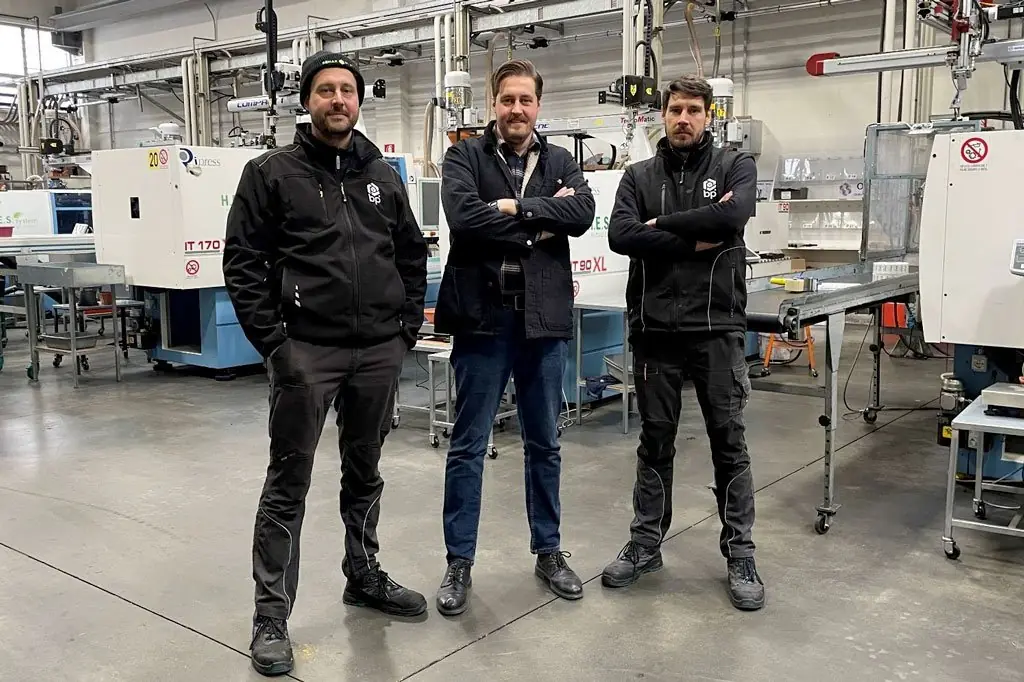
Since 1995 Bemar Plast has been injection molding technical thermoplastic components for its customers in its own plant in San Giovanni Ilarione, near Verona, Italy: 13 presses from 10 to 480 tonnes of clamping force, including two-shot molding, under an ISO 9001:2015 certified quality system. We handle mold design and series production, and we also mold with customer-owned tools. Learn more about our plastic injection molding service.
Contact us to discuss your requirements and assess your next project together.
- Phone: +39 045 6550855 (Mon–Fri, 8:00 a.m.–6:00 p.m. CET)
- Email: [email protected]
- Address: Via del Lavoro 94, 37035 San Giovanni Ilarione (VR), Italy
Frequently asked questions
What is injection molding?
Injection molding is a manufacturing process in which molten thermoplastic is injected under pressure into a closed mold, where it cools and solidifies in the shape of the part. It is used to produce precise, repeatable components in high volumes with short cycle times.
Why is injection molding cost-effective for high volumes?
Because the cost of the mold is spread over many parts and every cycle produces identical components quickly, so the unit cost drops as volumes grow. In our plant the recommended minimum batch is 1,000 parts, and we run up to one million parts per year for a single part number.
Which materials are used in injection molding?
Mainly thermoplastics: commodity polymers such as PP, PS and ABS, and engineering plastics such as PA, POM, PBT and PC, including glass-filled grades. You will find the properties of each material in our material guides.
Can injection molding be a sustainable process?
Yes, if scrap is minimized, material is recovered and presses are energy-efficient. In our plant all 13 lines have a press-side granulator to regrind sprues and runners, 11 of 13 presses are equipped with a Hybrid Energy System (HES) with measured energy savings of 30-75% compared with a conventional setup, and our electricity comes 100% from renewable sources, certified by Guarantees of Origin.
Will 3D printing replace injection molding?
No, the two technologies complement each other. 3D printing is used for prototypes and design checks before the mold is built, while injection molding handles series production. We supply FDM, SLA and MJF prototypes through a qualified service partner in Italy and remain your single point of contact from prototype to production: see our 3D printing service.